
Hemp-derived cannabis vaping health effects refer to the physical and psychological impacts of inhaling aerosolized cannabinoids extracted from hemp, including Delta-8 THC, Delta-10 THC, HHC (hexahydrocannabinol), and similar compounds that have flooded the market since 2018. These products occupy a murky regulatory space and carry unique health considerations that differ from both traditional marijuana vapes and nicotine products. If you’re considering or already using these vapes, understanding what happens in your body and what science currently knows is essential, so learn more about their safety and doesn’t know to make informed choices.
The rapid expansion of hemp-derived cannabinoid vapes has outpaced research, leaving consumers navigating a landscape filled with unverified health claims and legitimate safety questions. Unlike traditional cannabis, which has decades of research and established regulatory frameworks in legal states, these newer compounds often lack comprehensive toxicology studies or long-term health data. Early evidence and case reports have raised concerns about lung injury, contaminants in manufacturing, and unpredictable effects from synthetic or semi-synthetic cannabinoids.
This article breaks down what we actually know about hemp-derived cannabis vaping health effects in 2026. You’ll find clear explanations of how these cannabinoids interact with your body, documented health risks based on current research, what happens during the vaping process itself, and practical guidance for reducing potential harm. We’ll separate verified findings from speculation, acknowledge where science still has gaps to fill, and provide the context you need whether you’re a curious consumer, a healthcare provider counseling patients, or someone already using these products who wants straight answers about safety.
What Hemp-Derived Cannabis Vaping Means
Hemp-derived cannabis vaping refers to the practice of inhaling vaporized cannabinoid compounds that have been legally extracted from hemp plants, rather than from marijuana. While both hemp and marijuana belong to the same cannabis species, the law distinguishes them based on THC content. Under the 2018 Farm Bill, hemp is defined as any cannabis plant containing less than 0.3% Delta-9 THC by dry weight, making it federally legal in the United States. This legal classification created an opening for manufacturers to extract and concentrate other cannabinoids from hemp that aren’t explicitly restricted.
The cannabinoids found in hemp-derived vape products are either naturally occurring in trace amounts or created through chemical conversion processes. Manufacturers extract CBD or other compounds from legal hemp, then use processes like isomerization to convert them into psychoactive cannabinoids that exist in a regulatory gray area. These converted compounds have molecular structures similar to Delta-9 THC but aren’t technically the same substance named in controlled substance schedules.
- Hemp-Derived Cannabinoids
- Chemical compounds extracted from federally legal hemp plants that may be naturally occurring or synthesized through conversion processes from CBD or other hemp constituents.
- Delta-8 THC
- A psychoactive cannabinoid that occurs naturally in hemp in tiny amounts but is typically created by converting CBD through chemical processes, producing effects milder than Delta-9 THC.
- HHC (Hexahydrocannabinol)
- A hydrogenated form of THC created through chemical modification, offering psychoactive effects with potentially different legal status than traditional THC compounds.
- Full-Spectrum vs. Isolate
- Full-spectrum products contain multiple cannabinoids and terpenes from the hemp plant, while isolates contain a single purified cannabinoid compound with no other cannabis-derived substances.
- Carrier Oils
- Liquid bases such as propylene glycol, vegetable glycerin, or MCT oil used to dilute cannabinoid distillates and enable vaporization in e-cigarette devices.
What distinguishes these products from traditional marijuana vapes is their legal source material and the specific cannabinoids they contain. Marijuana-derived vapes typically feature Delta-9 THC extracted directly from cannabis plants that exceed the 0.3% threshold. Hemp-derived vapes, by contrast, start with legal hemp and contain alternative cannabinoids like Delta-8, Delta-10, THC-P, or HHC. They also differ from CBD-only products because they’re designed to produce intoxicating effects, whereas pure CBD vapes contain no psychoactive compounds. This distinction matters for both legal access and the health effects users can expect.
How Hemp-Derived Cannabis Vaping Works
Hemp-derived cannabis vaping works by heating cannabinoid-rich oils or distillates to a temperature that produces inhalable vapor without combustion. Unlike smoking, which burns plant material and creates smoke, vaping devices use battery-powered coils or ceramic heating elements to vaporize liquid formulations at controlled temperatures, typically between 315°F and 440°F. This process converts the cannabinoid concentrate and carrier liquid into an aerosol that users inhale directly into their lungs, where inhalation delivers cannabinoids systemically through absorption across the thin membranes of the alveoli into the bloodstream.
The cannabinoid distillate itself, whether Delta-8 THC, HHC, or another hemp-derived compound, is rarely vaped in pure form. Manufacturers blend these thick, viscous extracts with carrier liquids to improve flow and vapor production. The most common carriers are propylene glycol (PG) and vegetable glycerin (VG), borrowed from nicotine e-liquid formulations. PG is thin and enhances flavor delivery and throat sensation, while VG is thicker and produces denser vapor clouds. Some hemp vape products use medium-chain triglyceride (MCT) oil, typically derived from coconut, though this choice has raised health concerns after the 2019 EVALI outbreak linked lipid-based additives to serious lung injury. Reputable manufacturers have since moved away from MCT oil for inhalation products, but it still appears in some offerings.
Hemp-derived cannabis vape products come in several device formats, each with distinct mechanics:
- Disposable vapes: all-in-one units with pre-filled cannabinoid oil, integrated battery, and heating element, discard when empty
- 510-thread cartridges: pre-filled tanks that screw onto rechargeable battery devices, the industry standard connection type
- Pod systems: closed or refillable pods that click into proprietary battery units, often with draw-activated firing
- Dab pens: higher-temperature devices designed for concentrated cannabinoid wax or crystalline forms rather than liquids
When using a vape pen for hemp-derived cannabis, you either press a button or simply inhale (depending on the device) to activate the heating element. The coil or ceramic atomizer warms the cannabinoid-carrier mixture, creating vapor that travels through the mouthpiece into your lungs. From there, cannabinoids diffuse across lung tissue into capillaries, entering circulation within seconds to minutes, much faster than edibles, which must pass through the digestive system. This rapid onset makes vaping appealing for users seeking quick effects, but it also means potential adverse reactions manifest quickly.
Types of Hemp-Derived Cannabinoids Used in Vaping
Delta-8 THC
Delta-8 THC stands as the most commercially successful hemp-derived cannabinoid in the vaping market, largely because it occupies a legal gray area while producing noticeable psychoactive effects. Chemically, it differs from Delta-9 THC (the primary intoxicating compound in marijuana) by just a few atomic bonds, but users typically report a gentler, less anxiety-inducing high. This cannabinoid occurs naturally in hemp but only in trace amounts, so manufacturers synthesize it from CBD through chemical conversion processes.
You’ll find Delta-8 vape cartridges and disposables in gas stations, smoke shops, and online retailers across states where marijuana remains illegal, making it remarkably accessible. The appeal centers on legal availability combined with effects strong enough to satisfy recreational users seeking relaxation and mild euphoria without the intensity or paranoia some experience with Delta-9 products.
HHC and Other Emerging Cannabinoids
Beyond Delta-8, the hemp market has introduced a wave of lesser-known cannabinoids, many created through chemical conversion processes. Hexahydrocannabinol (HHC) emerged as a popular alternative, marketed as slightly more potent than Delta-8 with potential resistance to heat degradation. THC-P (tetrahydrocannabinaphol) is touted as exceptionally strong, with some manufacturers claiming effects 30 times more potent than Delta-9 THC, though independent research remains scarce. Delta-10 THC appeared as a milder, allegedly more energizing option compared to its cousins.
The concern with these emerging cannabinoids centers on their novelty. Most undergo synthetic or semi-synthetic production from CBD isolate through chemical reactions, raising questions about conversion byproducts, residual reagents, and long-term safety. Unlike Delta-8, which occurs naturally in trace amounts, compounds like THC-O and THC-P exist almost exclusively as lab creations. No comprehensive human studies examine their health effects when inhaled, leaving vapers to navigate a landscape of marketing claims with minimal scientific backing.
CBD-Dominant Hemp Vapes
CBD-dominant hemp vapes occupy a distinct category from their psychoactive counterparts, containing high concentrations of cannabidiol with negligible Delta-9 THC (typically below 0.3% to maintain legal hemp status). Unlike Delta-8 THC or HHC products that produce intoxicating effects, CBD vapes don’t create a “high,” making them appealing to users seeking potential therapeutic benefits without impairment, such as anxiety reduction, pain management, or sleep support.
These products generally carry a different risk profile than psychoactive hemp vapes. Users won’t experience cognitive alterations, and there’s no psychoactive tolerance build-up. However, CBD vapes still share common vaping risks: lung irritation from heated vapor, potential contaminants in poorly manufactured products, and the effects of carrier liquids like propylene glycol. The therapeutic claims surrounding CBD remain under investigation, with limited FDA-approved applications. Quality varies dramatically across the market, making third-party testing equally critical for CBD-dominant products despite their non-intoxicating nature.
Known Health Effects and Risks
Respiratory and Lung Health Concerns
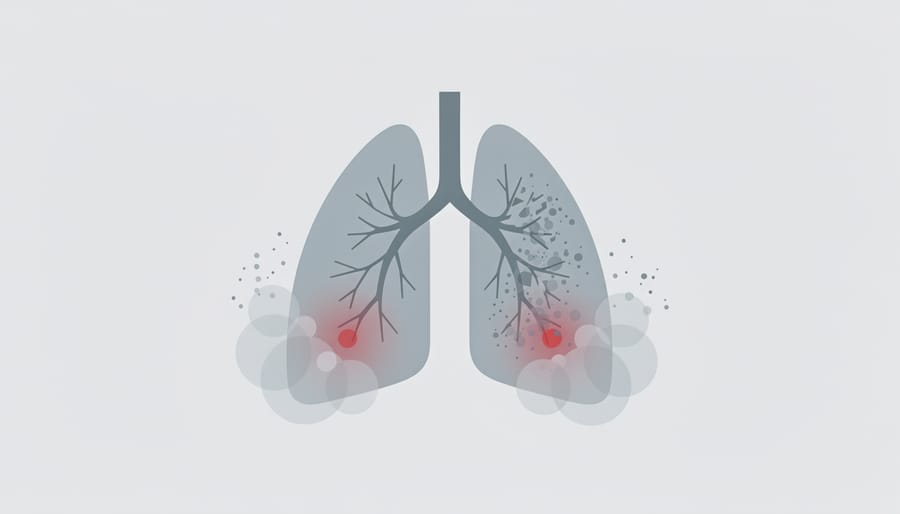
Inhaling heated cannabinoid vapor shares many of the same respiratory risks as traditional e-cigarettes, though the unique composition of hemp-derived products introduces additional concerns. The most immediate effect many users report is throat and airway irritation, particularly with high-potency distillates that lack the terpenes and moisture found in whole-plant cannabis. Repeated exposure can lead to chronic cough, bronchial inflammation, and potential long-term damage to lung tissue, effects we’ve seen across the broader vaping landscape.
The 2019 EVALI outbreak brought intense scrutiny to vaping safety, with vitamin E acetate linked to EVALI in many cases. While that crisis primarily involved illicit THC cartridges, it highlighted how cutting agents and additives in cannabinoid vapes can cause severe lung injury. Hemp-derived products face similar contamination risks when manufacturers use unsafe thinning agents, carrier oils, or poorly refined distillates.
Lipoid pneumonia remains a particular concern with certain formulations. MCT oil and other lipid-based carriers, when inhaled as vapor, can deposit fatty residues in lung tissue that the body struggles to clear. This creates inflammation and potential scarring over time. The risk compounds when products lack transparency about their exact formulation, a common issue in the largely unregulated hemp-derived market as of 2026, where consumers often can’t verify what they’re actually inhaling beyond the cannabinoid itself.
Cannabinoid-Specific Effects
Hemp-derived cannabinoids produce psychoactive effects that vary in intensity and character depending on the specific compound. Delta-8 THC typically creates a milder, more clear-headed experience than Delta-9 THC, though users still report euphoria, altered perception, and sedation. HHC and THC-P can be equally or more potent, with THC-P binding strongly to cannabinoid receptors and potentially causing intense effects even at low doses. These experiences aren’t without consequences, regular use can lead to tolerance buildup, requiring higher doses to achieve the same effects.
The addiction risk with hemp-derived cannabinoids remains under-researched, but frequent users may develop psychological dependency similar to traditional cannabis. Short-term cognitive impacts include impaired memory, reduced reaction time, and difficulty concentrating, effects that can persist for hours after vaping. We don’t yet know how these cannabinoids affect brain development in younger users or whether long-term cognitive changes occur with chronic use. Individual responses vary widely based on tolerance, metabolism, and the specific cannabinoid blend in a product, making predictable dosing challenging.
Contamination and Quality Control Issues
The largely unregulated hemp-derived cannabis vaping market creates significant quality control vulnerabilities that directly threaten consumer health. Unlike pharmaceuticals or FDA-regulated products, most hemp-derived vape cartridges reach shelves without mandatory safety testing or standardized manufacturing protocols.
Heavy metal contamination represents one of the most serious risks. Cheap vaping hardware can leach lead, cadmium, and chromium into vapor when heated, particularly in disposable devices with untested heating coils. Hemp plants themselves bioaccumulate heavy metals from soil, meaning contaminated source material compounds the problem before processing even begins.
Pesticide residues pose another concern. Hemp cultivation often involves pesticide use, and extraction processes can concentrate these chemicals in final vape oils. When heated and inhaled, certain pesticides transform into more toxic compounds than their original forms.
Residual solvents from cannabinoid extraction, butane, propane, hexane, or ethanol, can remain in poorly purified distillates. Inhaling these solvents carries respiratory and neurological risks, especially with repeated exposure.
Cutting agents added to improve viscosity or reduce costs present variable dangers. While vitamin E acetate (linked to the 2019 EVALI outbreak) is less common in 2026, manufacturers still use propylene glycol, vegetable glycerin, MCT oil, and unknown proprietary thinners. MCT oil, when heated to vaping temperatures, may contribute to lipoid pneumonia.
Without consistent third-party testing requirements across jurisdictions, consumers face a quality lottery. Many products lack verifiable certificates of analysis, leaving safety claims unsubstantiated.
Regulatory Status and Safety Standards
The regulatory landscape for hemp-derived cannabis vape products remains a patchwork of conflicting rules and enforcement gaps. The FDA does not currently authorize any hemp-derived cannabinoid vape products for sale, yet these items flood convenience stores, vape shops, and online retailers across much of the United States. This contradiction stems from the 2018 Farm Bill, which legalized hemp production but left cannabinoid extracts like Delta-8 THC in a gray zone, technically derived from legal hemp, yet chemically converted into psychoactive compounds that exist outside traditional marijuana regulations.
State laws vary dramatically. Some states have explicitly banned Delta-8 THC and similar hemp-derived cannabinoids, treating them like marijuana. Others permit sales with minimal oversight. A few have implemented product testing requirements, age restrictions, and labeling standards, but enforcement is often weak or nonexistent. This state-by-state variation means a product legally sold in one jurisdiction becomes contraband across a state line.
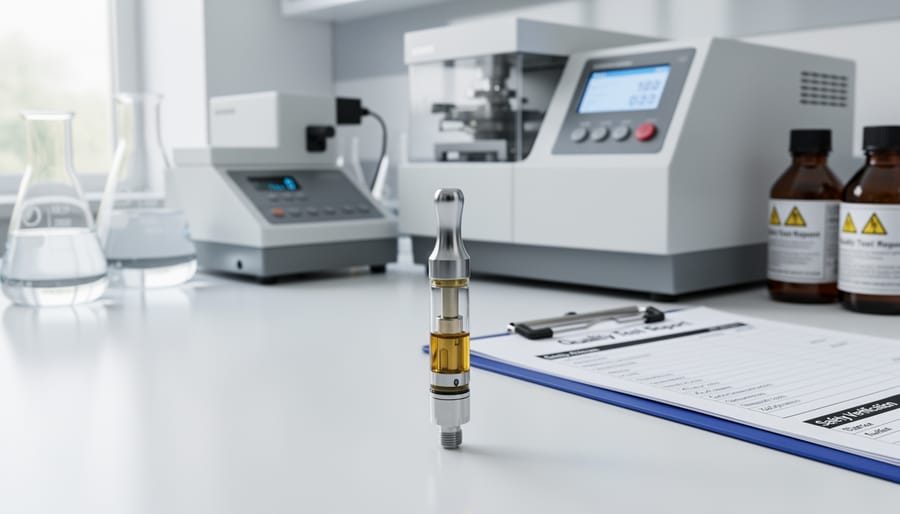
Third-party lab testing represents the only meaningful safety check for most hemp-derived vape products. Responsible manufacturers provide Certificates of Analysis showing cannabinoid potency, absence of heavy metals, pesticides, and residual solvents. However, no federal mandate requires this testing, and fraudulent or outdated COAs sometimes accompany dangerous products. Consumers must actively verify lab results through independent websites, not just trust a QR code on packaging.
Industry self-regulation efforts have emerged through trade associations establishing voluntary standards for manufacturing practices, testing protocols, and marketing ethics. While these initiatives push toward safer products, participation remains optional and compliance varies widely.
This regulatory ambiguity creates a double-edged situation. It allows rapid market innovation and consumer access without bureaucratic delays, but it also permits untested products with unknown health risks to reach users with no accountability. Until comprehensive federal standards emerge, consumer vigilance remains the primary safety mechanism.
What Research Shows (and What We Don’t Know Yet)
The scientific literature on hemp-derived cannabis vaping remains sparse and underdeveloped, especially when compared to decades of research on traditional marijuana use or the growing body of work on nicotine vaping. Most existing cannabinoid research has focused on Delta-9 THC from marijuana or isolated CBD, leaving newer hemp-derived compounds like Delta-8 THC, HHC, and THC-P virtually unstudied in clinical settings. A handful of case reports and surveys from 2024-2025 suggest Delta-8 THC produces psychoactive effects milder than Delta-9, with users reporting fewer anxiety and paranoia episodes, yet these findings come from small, self-reported samples rather than controlled trials.
What we do know from nicotine and cannabis vaping studies may partially apply: inhaling heated aerosols can irritate airways, and certain carrier substances pose risks. However, the unique chemical structures of semi-synthetic hemp cannabinoids mean we can’t simply assume they behave identically to Delta-9 THC or CBD in the body. The EVALI outbreak taught us that adulterants and cutting agents matter enormously, but most EVALI cases involved black-market THC cartridges, not legal hemp-derived products, though quality-control parallels remain relevant.
Critical knowledge gaps persist across multiple fronts:
- Long-term pulmonary effects of inhaling hemp-derived cannabinoid vapor over months or years
- Safety profiles and toxicity thresholds for synthetic or semi-synthetic cannabinoids like HHC and THC-P
- Optimal dosing guidelines to minimize adverse effects while achieving desired outcomes
- Interactions between hemp-derived cannabinoids and prescription medications or other substances
- Youth usage patterns, developmental impacts, and addiction potential in adolescent populations
Several universities initiated clinical trials in 2025 examining Delta-8 THC’s pharmacokinetics and safety markers, but results won’t emerge for at least another year. Until then, consumers learning to vape properly must rely on precautionary principles, third-party testing, and the limited evidence available from adjacent research fields.
Harm Reduction and Safer Use Practices
If you choose to use hemp-derived cannabis vape products, understanding harm reduction strategies can significantly lower your risk exposure. Start with product selection: only purchase from manufacturers who provide comprehensive third-party lab testing results, commonly called Certificates of Analysis (COAs). These documents should verify cannabinoid potency, confirm the absence of heavy metals like lead and cadmium, screen for pesticides and residual solvents, and test for microbial contamination. Legitimate brands make COAs easily accessible through QR codes on packaging or their websites.
Check that the COA matches your specific product batch number. Generic or outdated test results are red flags. Avoid products with vitamin E acetate, MCT oil, or other lipid-based cutting agents that pose serious lung risks when inhaled. Transparent ingredient lists matter, if a manufacturer won’t disclose what carrier liquids they use, walk away.
Device maintenance directly affects safety. Keep your vape hardware clean and functioning properly; a poorly maintained device can produce harmful byproducts through overheating or incomplete vaporization. If you experience issues like a fix leaking tank problem, address it immediately rather than continuing to use compromised equipment. Never attempt to vape substances not designed for inhalation, the danger of vaping alcohol and other inappropriate liquids applies equally to mixing unauthorized additives with cannabinoid products.
Start with the lowest effective dose, especially when trying unfamiliar cannabinoids like HHC or THC-P. Their effects profiles differ from Delta-9 THC, and potency can vary dramatically between products. Wait at least 15 minutes between inhalations to gauge effects before using more.
Recognize warning signs that require stopping use immediately: chest pain, severe shortness of breath, persistent cough with mucus or blood, rapid heart rate that doesn’t subside, extreme dizziness, or severe confusion. Seek medical attention if you experience these symptoms, and be honest with healthcare providers about what you’ve used, they need accurate information to treat you effectively.
Avoid daily or near-daily use to reduce tolerance development and dependency risk. Consider alternating consumption methods or taking regular breaks. Never share devices, which spreads pathogens, and store products securely away from children and pets. These practices won’t eliminate all risks, but they substantially reduce preventable harms associated with hemp-derived cannabis vaping.
Frequently Asked Questions
Is vaping hemp-derived cannabis safer than smoking it?
Vaping may reduce exposure to some combustion byproducts like tar and carbon monoxide, but it introduces different risks, including potential lung irritation from carrier oils and additives. Neither method is risk-free, and vaping hemp-derived cannabinoids carries concerns about product contamination and unregulated manufacturing that smoking flower doesn’t typically present.
Can hemp-derived cannabis vapes cause me to fail a drug test?
Yes, absolutely. Products containing Delta-8 THC, HHC, and similar cannabinoids metabolize into compounds that trigger positive results on standard drug tests designed to detect THC. If you face workplace or legal drug screening, assume any psychoactive hemp-derived vape product will cause you to fail.
Are hemp-derived cannabinoids like Delta-8 THC natural or synthetic?
Most exist naturally in hemp but only in trace amounts. Commercial products typically use chemical conversion processes to transform abundant CBD into Delta-8 THC or other cannabinoids, making them semi-synthetic even though they start from natural plant material.
What are signs that a hemp-derived vape product might be contaminated?
Warning signs include unusually cheap prices, lack of third-party lab testing certificates, harsh or chemical taste, excessive coughing or throat irritation, discolored liquid, and packaging without proper ingredient lists or manufacturer information. Always verify lab results show the product is free from heavy metals, pesticides, and residual solvents.
Who should avoid using hemp-derived cannabis vape products?
Pregnant or breastfeeding individuals, people with existing respiratory conditions, those taking medications that interact with cannabinoids, anyone under 21, and individuals with a history of substance use disorders should avoid these products. If you have cardiovascular issues or psychiatric conditions, consult a healthcare provider before use.
These questions reflect the most pressing concerns we encounter from both new and experienced users trying to make informed decisions about hemp-derived cannabis vapes. The legal gray area surrounding these products means you bear more responsibility for your own safety than with regulated substances.
One question we hear frequently but can’t answer definitively: “How much is safe to use?” The honest answer is that we don’t have enough long-term research to establish safe consumption levels for most hemp-derived cannabinoids. Individual tolerance, product potency, frequency of use, and your own health status all factor into risk, making universal guidelines impossible at this stage. Start low, go slow, and pay attention to how your body responds. If you experience persistent cough, chest pain, rapid heartbeat, severe anxiety, or any concerning symptoms, stop using the product immediately and seek medical attention if symptoms don’t resolve quickly.
The landscape of hemp-derived cannabis vaping remains in flux, shaped by rapid product innovation, fragmented regulations, and a body of scientific research that’s still catching up. What we know for certain is that these products carry real health risks, from contamination and quality control failures to respiratory concerns and cannabinoid-specific effects that haven’t been thoroughly studied over time. The knowledge gaps are significant, particularly around long-term impacts and the safety profiles of newer synthetic cannabinoids.
For consumers, this reality demands a cautious, informed approach. Choosing products from manufacturers who provide transparent third-party lab testing, avoid questionable additives, and clearly disclose ingredients isn’t just good practice, it’s essential harm reduction. The unregulated nature of much of this market in 2026 means you can’t assume safety based on legal availability alone.
The industry itself faces a crossroads. Without clear federal oversight and standardized safety protocols, the burden falls disproportionately on individual companies to self-regulate and on consumers to educate themselves. That’s not sustainable or safe. Robust regulatory frameworks, comprehensive clinical research, and industry-wide quality standards would dramatically improve public health outcomes.
If you’re considering or currently using hemp-derived cannabis vape products, stay informed about emerging research, pay attention to how your body responds, and don’t hesitate to consult healthcare professionals if concerns arise. This market will continue evolving, and so will our understanding of its health implications. Making thoughtful, evidence-based choices today protects your wellbeing while the science and regulations work to catch up with the products already on shelves.